Categories
Blog

Traditional Marketing vs. Digital Marketing: What’s Better for Canadian Businesses?

In today’s fast-evolving business landscape, Canadian companies face a crucial decision: Should they stick with traditional marketing methods or shift their focus to digital strategies? Both approaches have their strengths, but understanding which one aligns with your business goals is key to maximizing growth.

At 7thGrowth, we specialize in lead generation, social media growth, SEO-friendly web development, and PPC advertising—all essential components of a strong digital marketing strategy. However, we also recognize that traditional marketing still holds value in certain scenarios.

So, which is better for your business? Let’s break it down.

What is Traditional Marketing?

Traditional marketing refers to conventional promotional methods that have been used for decades. These include:

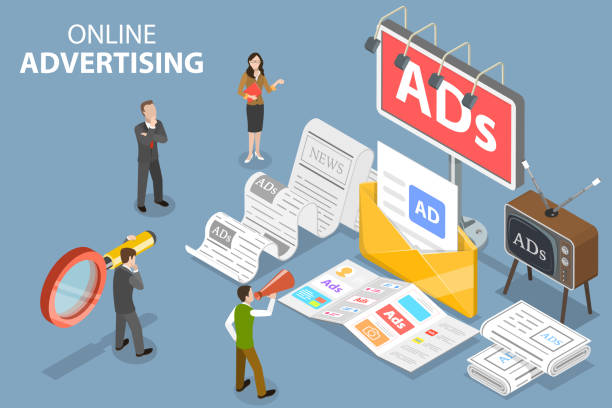
  • Print Ads (Newspapers, Magazines, Flyers)
  • TV & Radio Commercials
  • Billboards & Outdoor Advertising
  • Direct Mail (Postcards, Brochures)
  • Telemarketing & Cold Calling

Pros of Traditional Marketing

  1. Tangible & Trusted – Physical ads (like brochures or billboards) can feel more credible to certain audiences, especially older demographics.
  2. Local Reach – For businesses targeting a specific geographic area (e.g., a local restaurant or retail store), flyers and local newspaper ads can be effective.

3. Brand Familiarity – TV and radio ads help build long-term brand recognition, especially for well-established companies.

Cons of Traditional Marketing

  1. High Costs – Printing, TV slots, and billboard rentals can be expensive with no guaranteed ROI.
  2. Limited Tracking – Unlike digital campaigns, it’s harder to measure engagement and conversions from traditional ads.
  3. Declining Reach – With more people consuming content online, traditional media (like newspapers) have seen a steady decline in readership.
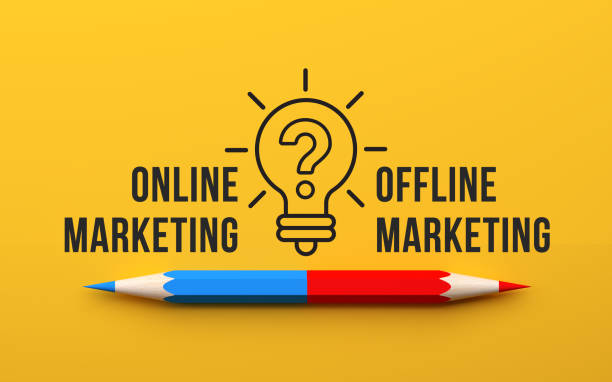
What is Digital Marketing?

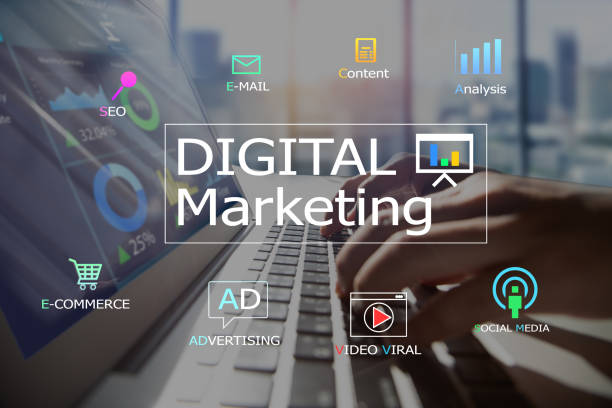
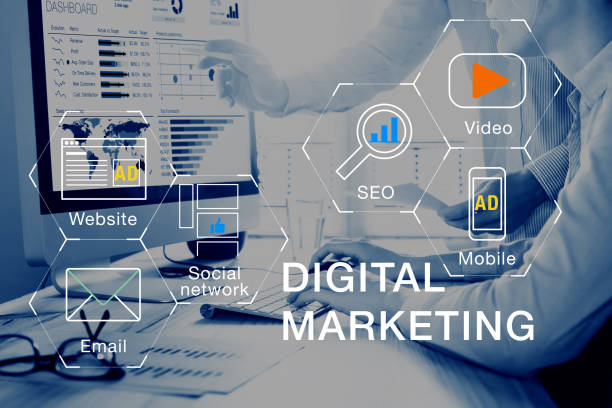
Digital marketing leverages online platforms to promote brands, generate leads, and drive sales. Key methods include:

  • Search Engine Optimization (SEO) – Improving website visibility on Google.
  • Pay-Per-Click (PPC) Advertising – Targeted ads on Google and social media.
  • Social Media Marketing – Engaging audiences on platforms like Facebook, Instagram, and LinkedIn.
  • Email Marketing – Nurturing leads through personalized campaigns.
  • Content Marketing – Blogs, videos, and infographics to attract organic traffic.

Pros of Digital Marketing

  1. Cost-Effective & Scalable – Small businesses can run highly targeted ads without huge budgets.
  2. Precise Targeting – Ads can be customized based on demographics, interests, and online behavior.
  3. Real-Time Analytics – Track clicks, conversions, and engagement instantly.
  4. Higher Engagement – Interactive content (like social media posts) encourages direct customer interaction.

Cons of Digital Marketing

  1. Constant Updates Required – Algorithms change frequently, requiring ongoing optimization.
  2. Competition – With more businesses going digital, standing out can be challenging.
  3. Ad Fatigue – Overexposure to ads can lead to audience disengagement.

Which is Better for Canadian Businesses?

The answer depends on your industry, audience, and budget.

When Traditional Marketing Works Best
  • Local Businesses (e.g., restaurants, real estate agencies) benefit from flyers and local radio ads.
  • Older Demographics (50+) still respond well to print and TV ads.
  • High-Brand Awareness Campaigns – Big brands use billboards and TV spots to reinforce their presence.
When Digital Marketing is the Winner

  • E-commerce & Online Services – Digital ads drive direct sales.
  • Younger Audiences – Millennials and Gen Z are more active on social media than traditional media.
  • Lead Generation & ROI Tracking – Digital campaigns provide measurable results.

The Hybrid Approach

Many Canadian businesses find success by combining both strategies. For example:

  • A dental clinic might use local newspaper ads (traditional) while also running Facebook ads for appointment bookings (digital).
  • A retail store could distribute flyers in the neighborhood while also optimizing their website for local SEO.

Final Thoughts

While traditional marketing still has its place, digital marketing offers more flexibility, better tracking, and higher ROI for most businesses. At 7thGrowth, we help Canadian brands leverage SEO, PPC, social media growth, and professional web development to drive sustainable growth.

If you’re unsure which strategy fits your business, a balanced approach with a stronger digital focus is often the best way forward.

Want to explore how digital marketing can elevate your brand? Contact 7thGrowth today for a tailored strategy!
Categories
Blog

SEO vs. PPC: Which One Works Best for Your Industry?

When it comes to digital marketing, two of the most powerful strategies for driving traffic and leads are SEO (Search Engine Optimization) and PPC (Pay-Per-Click Advertising). Both have their strengths, but which one is right for your industry?

At 7thGrowth, we specialize in helping contractors, small businesses, and local brands grow online through lead generation solutions, on-page SEO services, and Facebook advertising. In this blog, we’ll break down the pros and cons of SEO and PPC so you can decide which approach aligns best with your business goals.

Understanding SEO and PPC

1. SEO: Long-Term Organic Growth

SEO focuses on optimizing your website to rank higher in search engines like Google without paying for ads. It includes:

  • On-page SEO (keyword optimization, content quality, meta tags)
  • Technical SEO (site speed, mobile-friendliness, structured data)
  • Off-page SEO (backlinks, local citations, social signals)
Pros of SEO:

Sustainable Traffic – Once you rank, you get free, consistent traffic.
Higher Credibility – Users trust organic results more than ads.
Cost-Effective Over Time – No ongoing ad spend; just maintenance.

Cons of SEO:

Takes Time – Ranking can take months (or longer).
🔄 Requires Ongoing Effort – Google’s algorithms change frequently.

Best For: Contractors, local service businesses, and industries where customers research before buying (e.g., home services, legal, healthcare).

2. PPC: Immediate, Paid Traffic

PPC (like Google Ads or Facebook Ads) lets you bid for top ad placements. You pay only when someone clicks.

Pros of PPC:

🚀 Instant Results – Get traffic the same day you launch.
🎯 Highly Targeted – Reach specific audiences based on location, interests, and search intent.
📊 Measurable ROI – Track clicks, conversions, and cost-per-lead easily.

Cons of PPC:

💸 Ongoing Costs – Stop paying, and your traffic stops.
📉 Competitive Bidding – Some industries have high CPC (cost-per-click).

Best For: Businesses with strong budgets needing quick leads (e.g., eCommerce, urgent services like plumbing or roofing).

Which One Should You Choose?

✔ SEO is Better If…

  • You want long-term, passive leads.
  • Your industry has high-intent search queries (e.g., “best roofing contractor near me”).
  • You’re willing to invest in content and optimization over time.

✔ PPC is Better If…

The Best Approach? A Balanced Strategy

Many businesses benefit from both SEO and PPC. For example:

  • Use PPC to get quick leads while SEO builds momentum.
  • Run Facebook Ads for brand awareness while optimizing your site for local searches.

At 7thGrowth, we help contractors and small businesses generate leads through smart digital strategies—whether that’s on-page SEO, Facebook ads, or a hybrid approach.

Final Thoughts

There’s no one-size-fits-all answer. SEO builds lasting authority, while PPC delivers instant visibility. The right choice depends on your budget, industry, and goals.

Need help deciding? Book a free consultation with our team, and we’ll analyze your business to recommend the best growth strategy! 🚀

Categories
Blog

Common PPC Mistakes and How to Avoid Them

Pay-per-click (PPC) advertising is a powerful way to drive targeted traffic to your website, generate leads, and boost sales. However, even small mistakes can lead to wasted ad spend and poor campaign performance. Whether you’re running Google Ads, Facebook Ads, or LinkedIn campaigns, avoiding these common PPC mistakes can help you maximize your ROI.

1. Not Defining Clear Goals

One of the biggest mistakes businesses make is launching PPC campaigns without clear objectives. Are you aiming for brand awareness, lead generation, or direct sales? Without a defined goal, your campaign structure, targeting, and messaging will lack direction.

How to Avoid It:
Set SMART goals (Specific, Measurable, Achievable, Relevant, Time-bound).

Align your PPC strategy with your overall marketing objectives.

Use different campaigns for different goals (e.g., brand awareness vs. conversions).


2. Poor Keyword Research

Choosing the wrong keywords can drain your budget without delivering results. Broad match keywords might bring irrelevant traffic, while overly specific keywords may limit reach.

How to Avoid It:

  • Use keyword research tools (Google Keyword Planner, SEMrush, Ahrefs).
  • Focus on long-tail keywords for better intent targeting.
  • Regularly review search term reports to eliminate irrelevant queries.

3. Ignoring Negative Keywords

Negative keywords prevent your ads from showing up for irrelevant searches. Skipping this step means your ads could appear for unrelated queries, wasting your budget.

How to Avoid It:

  • Add negative keywords based on search term reports.
  • Regularly update your negative keyword list as new irrelevant terms appear.
  • Use phrase and exact match negatives for better control.

4. Weak Ad Copy and Messaging

Your ad copy is what convinces users to click. Generic or unclear messaging leads to low click-through rates (CTR) and poor conversions.

How to Avoid It:

  • Highlight unique selling points (USPs) clearly.
  • Use strong CTAs (e.g., “Get a Free Quote,” “Limited-Time Offer”).
  • A/B test different versions to see what resonates best.

5. Not Optimizing Landing Pages

Sending PPC traffic to a generic homepage or a poorly designed landing page kills conversions. Your landing page should align with the ad’s promise.

How to Avoid It:

  • Ensure fast loading speeds (use tools like Google PageSpeed Insights).
  • Keep forms short and easy to fill out.
  • Match ad messaging with landing page content for consistency.

6. Overlooking Ad Extensions

Ad extensions improve visibility and CTR by providing additional information (like phone numbers, site links, or location details). Not using them is a missed opportunity.

How to Avoid It:

  • Enable relevant extensions (call, location, sitelink, structured snippets).
  • Test different extensions to see which ones improve performance.

7. Failing to Track Conversions

Without conversion tracking, you won’t know which campaigns are profitable. Many businesses run PPC ads without measuring actual ROI.

How to Avoid It:

  • Set up Google Analytics and Google Ads conversion tracking.
  • Track micro-conversions (e.g., form fills, downloads) alongside sales.
  • Regularly review performance data to optimize campaigns.

8. Setting and Forgetting Campaigns

PPC requires ongoing optimization. Leaving campaigns running without adjustments leads to wasted spend and declining performance.

How to Avoid It:

  • Schedule regular audits (weekly or monthly).
  • Adjust bids based on performance trends.
  • Pause underperforming ads and scale winning ones.

Final Thoughts

Avoiding these common PPC mistakes can significantly improve your campaign performance. Whether you’re a business in Toronto looking for digital marketing services or a company in Vancouver needing lead generation, a well-optimized PPC strategy ensures you get the best return on your ad spend.

Need expert help with your PPC campaigns? 7th Growth offers data-driven PPC management tailored to your business goals. Contact us today to maximize your advertising results!

Categories
Blog

B2B Buying Guide: Best Digital Marketing Strategies for Industrial Companies

In the industrial sector, decision-making is complex, involving multiple stakeholders, long sales cycles, and high-value purchases. Unlike B2C, where impulse buys are common, B2B buyers rely heavily on research, credibility, and trust before committing.

For industrial companies, digital marketing isn’t just about visibility—it’s about generating high-quality leads, nurturing relationships, and positioning your brand as an authority. If you’re looking to refine your digital marketing approach, here are the best strategies tailored for industrial businesses.

1. Lead-Driven Content Strategies for Industrial Buyers

Content is the backbone of B2B marketing, but generic blogs won’t cut it. Industrial buyers look for in-depth, problem-solving content that addresses their pain points.

What Works?
  • Case Studies & Whitepapers: Show real-world applications of your products/services.
  • Technical Guides & How-Tos: Educate engineers, procurement managers, and executives.
  • Comparison Content: Help buyers choose between solutions (e.g., “Hydraulic vs. Pneumatic Systems”).
How to Execute?
  • Map Content to Buyer’s Journey: Awareness (blogs, infographics) → Consideration (webinars, case studies) → Decision (demos, free trials).
  • Optimize for SEO: Use long-tail keywords like “best industrial lubricants for heavy machinery” to attract qualified traffic.

Pro Tip: Repurpose content into LinkedIn posts, videos, and email newsletters to maximize reach.

2. Marketing Solutions for Business Growth in Industrial Sectors

Industrial marketing isn’t about flashy ads—it’s about strategic, measurable growth.

Key Tactics:
  • Account-Based Marketing (ABM): Target high-value accounts with personalized campaigns.
  • LinkedIn Advertising: Decision-makers are active here—use sponsored content and InMail.
  • Email Drip Campaigns: Nurture leads with automated, value-driven emails.
Why It Works?

B2B buyers prefer brands that understand their industry’s nuances. A well-structured marketing funnel ensures you stay top-of-mind throughout their lengthy decision process.

3. Why Partner with a Business Marketing Agency in Canada?

Many industrial companies handle marketing in-house, but a specialized agency brings expertise and scalability.

Benefits of Working with an Agency:

Industry-Specific Knowledge: They understand industrial jargon and buyer behavior.
Advanced Tools: Access to premium SEO, PPC, and analytics software.
Faster Results: Proven strategies reduce trial-and-error.

If you’re in Canada, partnering with a local agency (like 7thGrowth) ensures compliance with regional market trends and regulations.

4. Fast-Loading Websites for Lead Generation

A slow website kills conversions—especially in B2B, where users expect instant access to specs, pricing, and support.

How to Optimize?
  • Compress Images & Use CDN: Reduces load time.
  • Simplify Navigation: Make it easy for engineers to find technical docs.
  • Mobile Optimization: 60% of B2B searches happen on mobile.

A fast, user-friendly site improves SEO and keeps high-intent buyers engaged.

5. Google Ranking Services Near Me: Local SEO for Industrial Brands

Even in B2B, local searches matter. Buyers often look for “industrial equipment suppliers near me” or “CNC machining services in [city].”

How to Rank Higher Locally?
  • Google My Business Optimization: Keep NAP (Name, Address, Phone) consistent.
  • Localized Content: Blog about regional industry trends.

Backlinks from Industry Directories: Get listed in platforms like ThomasNet.

Final Thoughts

Industrial buyers need clarity, trust, and efficiency. By implementing lead-driven content, performance marketing, and technical SEO, you can attract and convert high-value prospects.

If you need help executing these strategies, consider working with a specialized industrial marketing agency like 7thGrowth to streamline your efforts.

What’s your biggest challenge in industrial marketing? Let us know in the comments!

Categories
Blog

The Science Behind High-Converting Landing Pages (And Why They Work)

A well-designed landing page can be the difference between a visitor bouncing off your site or converting into a lead or customer. But what makes some landing pages perform exceptionally well while others fall flat? The answer lies in psychology, design principles, and strategic optimization.

At 7th Growth, we specialize in digital marketing services in Toronto, including lead generation in Vancouver and targeted email marketing for businesses. We understand the elements that make landing pages convert—let’s break them down.

1. The Power of a Strong Headline

Your headline is the first thing visitors see, and it has just a few seconds to capture their attention. A high-converting headline:

  • Clearly states the value proposition – What’s in it for the visitor?
  • Uses action-driven language – Encourages engagement.
  • Keeps it concise – Ideally under 10 words.

For example, instead of saying “We Offer Marketing Services,” try “Grow Your Business with Data-Driven Marketing.”

2. Strategic Use of Visuals

Humans process visuals 60,000 times faster than text. A well-placed image or video can:

  • Increase trust (e.g., team photos, client testimonials).
  • Demonstrate the product/service (e.g., explainer videos).
  • Guide attention (e.g., arrows pointing to the CTA).

If you’re a content marketing agency in Canada, showcasing past work or case studies visually can boost credibility.

3. Persuasive Copy That Speaks to Pain Points

Your copy should address:

  • The problem your audience faces.
  • How your solution fixes it.
  • Proof (testimonials, stats, or trust badges).

For a local SEO company in Montreal, highlighting how you improve search rankings with real results can make the message more compelling.

4. A Clear, Action-Driven CTA

A weak call-to-action (CTA) kills conversions. Best practices include:

  • Using contrasting colors (makes it stand out).
  • Strong action words (“Get Started,” “Book a Free Audit”).
  • Placing it above the fold (visible without scrolling).

For lead generation services in Vancouver, a CTA like “Get More Qualified Leads Today” with a form can drive submissions.

5. Social Proof & Trust Signals

People trust other people more than brands. Adding:

  • Customer testimonials
  • Case studies
  • Logos of well-known clients
  • Trust badges (e.g., “100% Satisfaction Guarantee”)

…can significantly boost credibility.

6. Mobile Optimization & Speed

Over 50% of web traffic comes from mobile. If your landing page loads slowly or isn’t mobile-friendly, you’re losing leads.

Final Thoughts

High-converting landing pages aren’t just about aesthetics—they’re a blend of psychology, user experience, and strategic messaging. Whether you’re running targeted email marketing campaigns or optimizing for local SEO, applying these principles can dramatically improve results.