
Categories
Blog

Retargeting Strategies That Actually Convert (Case Studies Included)

In the modern competitive online market, companies require more than an effective initial promotional drive—they require approaches that recapture potential consumers. Retargeting (or remarketing) is one of the most effective strategies to get past visitors to convert a second time. Executed properly, it can strongly enhance conversions, whether you are launching targeted email marketing for companies, optimizing local SEO in Montreal, or taking advantage of lead generation services in Vancouver.

In this article, we’ll take a look at evidence-based retargeting techniques supported by real case studies. Whether you are a content marketing agency in Toronto or a company seeking to optimize your digital marketing services in Toronto, these insights will assist you in optimizing ROI.

Why Retargeting Works

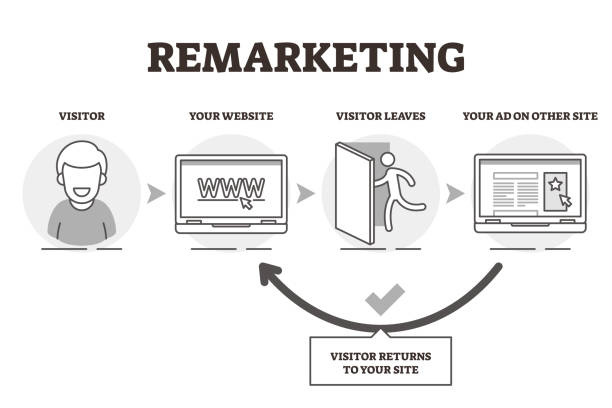
Retargeting is centered around consumers who have previously demonstrated interest in your company—either by stopping by your website, interacting with your ads, or leaving their cart. According to studies, retargeted traffic converts 70% higher than new visitors.

Top Benefits of Retargeting:

✔ Increased Conversion – Binds warm leads who already know your business.

✔ Increased Brand Recall – Reminds customers of your company.

✔ Cost-Effective – Lower cost-per-acquisition (CPA) than cold traffic.

6 Retargeting Strategies That Drive Results

1. Dynamic Product Retargeting (E-commerce Focus)

When a user visits your products but does not buy, dynamic retargeting ads present them with the very products they looked at—usually with a discount or urgency prompt (e.g., “Only 2 left in stock!”).

Case Study: An e-commerce retailer based in Toronto implemented dynamic retargeting on Facebook and Google Display Network, which resulted in 35% higher conversions and a 22% reduction in cost-per-sale.

2. Email Retargeting for Abandoned Carts

Mix targeted business email marketing with retargeting ads. If a customer abandons their cart, follow up with a gentle reminder—then retarget them with ads that showcase the same products.

Pro Tip: Employ urgency (e.g., “Your cart expires in 24 hours!”) to boost fast choices.

3. Lead Generation Retargeting (For B2B & Service Businesses)

If you operate lead generation services in Vancouver, retargeting is a must. Employ LinkedIn or Facebook advertisement to re-engage the guests who downloaded a lead magnet but failed to book a consultation.

Case Study: A B2B SaaS business retargeted webinar sign-ups who did not convert and saw a 40% lift in demo bookings.
4. Content Retargeting for Nurturing Leads

A Canadian content marketing agency can retarget leads who have read blog posts but did not take the next step. Offer them related content or a free resource to establish trust before pitching a service.

Example: A Montreal marketing agency retargeted blog readers with a case study, which boosted contact form submissions by 28%.

5. Local SEO + Retargeting for Geo-Targeted Campaigns

If you’re working with a local SEO firm in Montreal, adding retargeting to geo-targeted ads means you’re sure to catch local customers.

Strategy: Retarget users who searched for “best [service] near me” but did not convert, providing a one-time local offer.

6. Cross-Platform Retargeting (Facebook + Google Ads)

Don’t restrict retargeting to a single platform. People who view your ad on Facebook and then subsequently on Google are more likely to recall your brand.

Best Practice: Employ similar messaging on multiple platforms for consistency.

Common Retargeting Blunders to Evade

❌ Bombarding Users with Too Many Ads → Frequency capping (3-5 ads per user per week) avoids ad fatigue.

❌ Not Segmenting Audiences → Target ads according to user behavior (e.g., cart abandoners versus blog readers).

❌ Ignoring Ad Creatives → Try out various images, CTAs, and ad copy for improved performance.

Final Thoughts

Retargeting is a force to be reckoned with for any company—whether you’re providing digital marketing services in Toronto, executing lead generation campaigns in Vancouver, or optimizing for local SEO in Montreal. With these strategies, you can convert lost visitors into loyal customers.

Having trouble with your retargeting strategy? [Your Business Name] is a data-driven retargeting campaign expert that converts. Get a free audit today!

SEO Optimization Checklist for This Blog:

✅ Main Keyword: “Retargeting Strategies That Actually Convert”

✅ Secondary Keywords:

  • Toronto digital marketing services
  • Business email marketing campaigns
  • Vancouver lead generation services
  • Canada content marketing agency

Montreal local SEO company

✅ Internal Links: Link to relevant service pages (e.g., “Learn more about our lead generation services”).

✅ Engaging & Informative Tone: Steers clear of being too salesy while offering actionable tips.

Categories
Blog

Facebook Ads versus Google Ads: Where Canadian Companies Should Invest

With today’s competitive online environment, Canadian companies need to make intelligent choices regarding where they spend their ad budgets. Two of the most influential platforms—Facebook Ads and Google Ads—have different strengths based on what you’re trying to accomplish. If you’re a Montreal local SEO firm, a Canadian content marketing agency, or a Vancouver business looking for lead generation services, knowing what each platform can do best will help you optimize your return on investment.

This blog post demystifies the disparities between Facebook Ads and Google Ads, making you choose where to spend for maximum impact.

Facebook Ads: Leverage Social Interaction

Facebook Ads enable companies to reach people through demographics, passions, and behaviors online. Thus, they are best suited for:

1. Brand Awareness & Engagement

As Facebook is a social media site, customers are not necessarily in “buying mode.” That being said, it is ideal for companies wishing to:

Retarget individuals who visited the site but didn’t make a purchase, ideal to accompany targeted email campaigns for companies.

Create brand awareness through image-based, video, or carousel ads.

Get to know potential buyers with interactive ads such as polls and live streaming.

2. Accurate Targeting

Facebook’s high-end targeting capabilities enable you to reach:

  • Lookalike audiences (users similar to your current customers).
  • Individuals based on interests, job titles, or even life milestones (e.g., newly engaged couples for wedding planning). 
  • Local customers, which is particularly handy for Toronto digital marketing services wanting to target nearby customers.

3. Ideal for Visual & Consideration-Based Businesses

If your company is aesthetics-based (e.g., fashion, restaurants, real estate) or needs to cultivate leads prior to conversion (e.g., B2B services), Facebook Ads will be very effective.

Google Ads: Targeting High-Intent Buyers

Google Ads follow a pay-per-click (PPC) system, showing ads to users who are actively looking for products or services. This platform is best suited for:

1. High-Intent Leads

In contrast to Facebook, where people are browsing casually, Google Ads reach individuals who are actively searching for answers. For instance:

  • A person searching for “best local SEO company in Montreal” is probably ready to hire.
  • A search like “lead generation services in Vancouver” shows high commercial intent.

2. Various Ad Formats for Various Purposes

Google Ads has:

  • Search Ads – Text-based ads that show up at the top of Google search results.
  • Display Ads – Banner advertisements on websites in the Google Display Network.
  • YouTube Ads – Video advertisements for enterprises with high-quality visual content.
  • Shopping Ads – Product listings for online shopping businesses.

3. Instant & Measurable Results

Because Google Ads reach customers who are already in the buying phase, they tend to provide quicker conversions than organics. Thus, they are a viable option for companies selling immediate services (e.g., plumbing, legal assistance) or content marketing agency in Canada services that want to capture ready-to-purchase customers.

Which Platform Should Canadian Businesses Use?

Facebook Ads Are Best If:

✅ You desire to create brand recognition and connect with your audience.

✅ Your business is image-based (e.g., fashion, food, property).

✅ You’re a digital marketing agency in Toronto and need to cultivate leads in the long term.

Google Ads Are Ideal If:

✅ You’re looking to connect with customers searching for your services.

✅ Your business depends on instant conversions (e.g., emergency services, law firms).

✅ You’re a content marketing agency in Canada targeting businesses actively seeking marketing help.

Using Both for Maximum Impact

Many businesses benefit from running both platforms:

  • Facebook Ads for top-of-funnel awareness and engagement.
  • Google Ads for bottom-of-funnel conversions and sales.

For example, a local SEO company in Montreal might use Facebook Ads to increase brand visibility and Google Ads to capture leads searching for “SEO services near me.”

Categories
Blog

How to Reduce Your PPC Spend Without Compromising Conversions

Pay-per-click (PPC) advertising is a great way to drive targeted traffic to your site, but escalating costs can sap your ROI. The silver lining? You can lower your PPC spend without damaging conversions by making strategic campaign optimizations. Whether you’re a Toronto digital marketing services provider, a Montreal local SEO agency, or a business doing targeted email marketing for companies, these practical tips will assist you in getting the most out of your ad budget.

Why Reducing PPC Costs Is Important

PPC campaigns can escalate rapidly if not handled well. Competitive industries such as lead generation services in Vancouver or content marketing agency in Canada imply there are bidding wars and costs increase. But reducing costs doesn’t necessarily mean reducing the quality—effective optimizations mean you receive more clicks and conversions at less cost.

1. Refine Your Keyword Strategy

Target Long-Tail Keywords

  • Broad-match keywords tend to get irrelevant clicks, which burn your budget. Use long-tail keywords with less competition and more intent instead. For instance:
  • Rather than “digital marketing,” use “best digital marketing services in Toronto for small businesses.”
  • Rather than “SEO services,” target “affordable local SEO company in Montreal.”

Use Negative Keywords

Exclude unwanted searches with negative keywords. If you have a lead generation business in Vancouver, remove phrases like “free” or “jobs” so you don’t attract unqualified traffic.

2. Optimize Ad Copy & Landing Pages

Craft Highly Relevant Ads

Your ad copy needs to exactly correspond with the intent of the search. If one types “targeted email marketing for businesses,” your ad must promote email marketing solutions instead of overall digital marketing.

Enhance Landing Page Experience

A badly designed landing page raises bounce rates and decreases Quality Score (which increases costs). Make sure your page:

  • Loads quickly
  • Has a prominent CTA (e.g., “Get a Free Audit”)
  • Is mobile-friendly

3. Utilize Audience Targeting
Utilize Remarketing

Retarget users who did not convert at first. A Canadian content marketing agency can show ads to people who viewed blog posts but did not ask about services.

Layer Targeting with Demographics & Interests

Target a smaller audience based on location, job function, or interests. For instance, if you’re providing digital marketing services in Toronto, target business owners within the GTA who have an interest in SaaS or eCommerce.

4. Enhance Quality Score

  • Google favors high-quality ads with lower costs. Enhance your Quality Score by:
  • Increasing CTR (A/B test headlines & descriptions)
  • Improving ad relevance (match keywords to ad copy)
  • Optimizing landing pages (quick, relevant, easy to navigate)

5. Test Smart Bidding Strategies

  • Instead of manual bidding, try:
  • Target CPA (Cost-Per-Acquisition): Google adjusts bids to get conversions at your desired cost.
  • Maximize Conversions: Lets Google allocate budget to high-performing ads.

6. Schedule Ads for Peak Time

Analyze when your conversions happen most and adjust ad schedules. A local SEO company in Montreal might find that B2B leads convert better on weekdays during business hours.

7. Monitor & Adjust Regularly

  • PPC is not a “set it and forget it” approach. Periodically:
  • Pause underperforming keywords
  • Tune bids by performance
  • Test new ad copy variation.

Final Thoughts
Reducing PPC spend doesn’t have to come at the expense of results—it means smarter working. By optimizing keywords, enhancing ad relevance, using audience targeting, and bid optimization, you can minimize wasted spend while keeping (or even growing) conversions.

Need professional assistance with PPC? Consider working with a Toronto digital marketing services provider or a Vancouver lead generation services agency to get the best ROI.

Have questions regarding PPC optimization? Leave them in the comments!

Categories
Blog

The Truth About Google Ads in Canada: What Works in 2024?

Google Ads remains one of the most powerful tools for businesses looking to grow online, but with ever-changing algorithms and rising competition, what worked in 2023 may not be as effective in 2024. If you’re running a business in Canada—whether you’re using digital marketing services in Toronto, seeking lead generation services in Vancouver, or partnering with a content marketing agency in Canada—understanding the latest Google Ads trends is crucial for maximizing ROI.

In this post, we’ll break down the most effective Google Ads strategies for Canadian businesses in 2024, backed by real data and best practices.

Why Google Ads Still Matter for Canadian Businesses

Despite the rise of social media ads, Google Ads continues to dominate paid search. Why? Because Google processes over 5.6 billion searches per day, and a significant portion comes from Canadian users actively looking for products or services.

Whether you’re a local SEO company in Montreal or an e-commerce store in Calgary, Google Ads can help you:

  • Drive targeted traffic (people searching for exactly what you offer)
  • Generate high-quality leads (better than cold outreach)
  • Boost brand visibility (even if users don’t click)

But to succeed in 2024, you need to adapt to the latest trends.

1. Smart Bidding Strategies Are No Longer Optional

Manual bidding is officially outdated. Google’s AI-powered Smart Bidding uses machine learning to adjust bids in real-time, maximizing conversions while staying within budget.

What’s working in 2024?

  • Maximize Conversions (best for lead generation)
  • Target CPA (Cost Per Acquisition) (if you know your ideal cost per lead)
  • Target ROAS (Return on Ad Spend) (great for e-commerce)

If you’re using targeted email marketing for businesses, integrating Smart Bidding with your CRM can help retarget leads more effectively.

2. Search & Performance Max Campaigns Dominate

Google is pushing Performance Max (PMax) campaigns, which combine search, display, YouTube, and Discovery ads into one automated campaign. While some advertisers are skeptical, early 2024 data shows PMax works well for:

  • E-commerce brands
  • Local service businesses (like a local SEO company in Montreal)
  • Lead gen companies (if you have strong conversion tracking)

Pro Tip: Always supplement PMax with traditional Search Campaigns to maintain control over high-intent keywords.

3. Hyper-Local Targeting for Canadian Businesses

Google’s local search algorithms have gotten smarter. If you’re a business offering digital marketing services in Toronto or lead generation services in Vancouver, geo-targeting is a must.

Best practices for local ads in 2024:

  • Use location-specific ad extensions (address, call buttons)
  • Target radius-based audiences (e.g., 10-15 km around your business)
  • Include city-specific keywords (e.g., “best SEO agency in Vancouver”)
Digital marketing concept, Businessman using laptop with Ads dashboard digital marketing strategy analysis for branding. online advertisement, ad on website and social media. SEO. SMM.

4. Quality Score & Landing Page Experience Matter More Than Ever

Google now weighs landing page experience more heavily in its Quality Score algorithm. A poor landing page can double your cost per click (CPC).

How to improve in 2024:

  • Speed matters: Pages should load in under 3 seconds.
  • Mobile-first design: Over 60% of Google searches in Canada are mobile.

Clear CTAs: If you’re running targeted email marketing for businesses, ensure your ad leads to a relevant offer.

5. The Rise of AI-Generated Ads

Google’s AI tools (like Responsive Search Ads) now auto-generate ad variations. While some marketers resist this, early adopters see 10-15% higher CTRs by letting Google optimize headlines and descriptions.

How to use AI effectively:

  • Provide multiple ad variations (Google picks the best combo)
  • Use dynamic keyword insertion (personalizes ads for searches)
  • Test AI-generated vs. manual ads (see what converts better)

6. Remarketing Is Still a Game-Changer

If you’re working with a content marketing agency in Canada, remarketing should be part of your strategy. Users who visited your site but didn’t convert are 70% more likely to convert when retargeted.

Top remarketing strategies for 2024:

  • Dynamic remarketing (show past visitors the exact products they viewed)
  • YouTube & Gmail retargeting (great for brand awareness)
  • CRM-based audiences (target past customers with upsell offers)
Digital marketing concept, online advertising, website ads and social media. Businessman uses laptop to analyze digital marketing strategy for branding and Ads SEO PPC goals.

7. Privacy Changes & First-Party Data

With cookie restrictions tightening, first-party data (email lists, customer profiles) is becoming essential. If you’re running targeted email marketing for businesses, integrating your email lists with Google Ads can improve targeting.

How to adapt:

  • Use Google’s Customer Match (upload your email lists for targeting)
  • Implement lead form extensions (collect data directly in ads)
  • Focus on consent-based tracking (avoid penalties)

Conclusion: Google Ads in Canada for 2024

Google Ads is still a powerhouse for Canadian businesses, but success in 2024 requires adapting to AI, automation, and privacy changes. Whether you’re a local SEO company in Montreal, a lead generation service in Vancouver, or a digital marketing agency in Toronto, the key is to:

Leverage Smart Bidding & AI tools
Optimize for local searches
Improve landing page experience
Use remarketing & first-party data

If you’re unsure where to start, consider consulting a content marketing agency in Canada or a Google Ads specialist to tailor these strategies for your business.

Categories
Blog

Digital Marketing for Law Firms: How to Get More Clients Online

In today’s competitive legal landscape, having a strong online presence is no longer optional—it’s essential. Potential clients are searching for legal services online, and if your law firm isn’t visible, you’re missing out on valuable opportunities.

Whether you are a solo attorney or work in a larger law firm, using digital marketing services in Toronto, business email marketing, Vancouver lead generation services, content marketing, and local SEO can assist you in gaining more clients and expanding your practice.

Here, we will discuss successful digital marketing techniques specifically designed for law firms.

Why Digital Marketing Matters for Law Firms

Before we jump into tactics, let’s see why online marketing is so important for law firms:

  • Greater Online Visibility – The majority of clients begin looking for legal assistance on the web. If your firm isn’t highly ranked on Google, you’re losing business.
  • Targeted Client Acquisition – Online marketing lets you target the right people—whether through lead generation services in Vancouver or local SEO in Montreal.
  • Credibility & Trust – An SEO-optimized website, educational blog articles, and positive word-of-mouth build your firm into an authority.
  • Cost-Effective Growth – In contrast to offline advertising, digital marketing has a better ROI with quantifiable outcomes.

Let’s move on to the most effective digital marketing tactics for law firms.

1. Optimize Your Website for Search Engines (SEO)

Your site is your online shop window. If it’s slow, outdated, and not optimized, potential customers will bail before even calling you. Here’s what to do:

  • Keyword Optimization – Incorporate keywords such as “best divorce attorney in Toronto” or “personal injury lawyer in Vancouver” organically into your copy.
  • Mobile-Friendly Design – More than 60% of searching is done on mobile. Make sure your site loads fast and displays well on all devices.
  • Local SEO – If you’re a local SEO company in Montreal or any other city, optimizing for “near me” searches is crucial. Claim your Google My Business listing, get reviews, and ensure NAP (Name, Address, Phone) consistency across directories.

2. Content Marketing: Educate & Engage Potential Clients

A content marketing agency in Canada can help law firms create valuable content that attracts and educates potential clients. Consider:

  • Blog Posts – Answer popular legal questions (e.g., “How to File for Divorce in Ontario”).
  • Case Studies & FAQs – Highlight winning cases to inspire confidence.
  • Video Content – Brief explainer videos on legal issues enhance engagement.

Quality content not only establishes your expertise but also enhances your search rankings.

3. Lead Generation: Convert Visitors into Clients

Traffic is nice, but converting visitors into clients is the goal. Here’s how:

  • Landing Pages – Build separate pages for individual services (e.g., “Car Accident Lawyer in Toronto”) with distinct call-to-actions (CTAs).
  • Live Chat & Contact Forms – Make it simple for visitors to contact you.
  • Lead Magnets – Provide free guides (e.g., “5 Steps to Winning Your Injury Claim”) in return for contact information.

If you require assistance, lead generation services in Vancouver can help establish high-converting campaigns.

4. Email Marketing: Nurture Leads & Stay Top of Mind

Most potential clients are not ready to hire a lawyer right away. Targeted business email marketing (including law firms) assists in nurturing leads in the long term.

  • Welcome Emails – Send a thank-you email following a request for consultation.
  • Educational Newsletters – Share legal tips, blog articles, and success stories.
  • Follow-Up Sequences – Remind previous clients to refer another or follow up on case status.

Email marketing keeps your company in front of mind when a prospect is ready to make a hire.

5. Pay-Per-Click (PPC) Advertising: Get Instant Results

  • Whereas SEO is a slow process, PPC (Google Ads) can provide instant leads.
  • Google Search Ads – Bid on keywords such as “DUI lawyer near me” to rank at the top of search results.
  • Facebook & LinkedIn Ads – Target professionals or those looking for legal assistance.
  • PPC works wonderfully when paired with a well-built landing page.

6. Online Reviews & Reputation Management

  • Reviews create trust and drive hiring.
  • Get Happy Clients to Leave Reviews – Send follow-up emails with Google or Yelp links.
  • Respond to All Reviews – Thank good reviewers and negative feedback professionally.

Final Thoughts

Digital marketing is an effective tool for law firms to gain more online clients. Through SEO, content marketing, lead generation, email marketing, and PPC, you can improve your online presence and get consistent leads.

Should you need professional help, choose to hire a digital marketing agency in Toronto or a content marketing agency in Canada to make things easier for you.

Ready to expand your law firm online? Begin applying these strategies today!