


Service businesses juggle dozens of marketing touchpoints every day. A prospect sees a social ad, reads a blog post, clicks a search result, and finally books a call after an email follow-up. Which channel actually earned the credit for that conversion? Without a clear answer, you end up guessing where to invest your next marketing dollar. This is exactly the problem that multi-channel marketing attribution solves.
Marketing leaders no longer need to rely on gut feeling or last-click guesswork. They can trace a customer’s entire journey and understand which channels genuinely drive revenue. This article explains what multi-channel attribution means, why it matters for service businesses, and how it leads to smarter, more confident spending decisions.
What Is Multi-Channel Marketing Attribution?
Multi-channel marketing attribution is the practice of tracking and crediting every touchpoint a customer interacts with before converting, rather than crediting just one channel. Instead of assuming the last ad someone clicked deserves all the credit, this approach recognizes that awareness, consideration, and decision-making happen across multiple platforms and moments.
For service businesses, this matters enormously. Buying a service, whether it is consulting, home repair, financial planning, or healthcare, rarely happens after a single interaction. Prospects research, compare, ask questions, and return several times before they commit. A single-touch view simply cannot capture that complexity. A well-built marketing attribution model captures the full picture, showing which combinations of channels move people from curiosity to commitment.
Why Single-Touch Attribution Falls Short
Many service businesses still rely on basic tracking methods, such as crediting whichever channel appeared first or last in the customer journey. These simplified models are easy to set up, but they distort reality. They tend to overvalue bottom-of-funnel channels like paid search while undervaluing top-of-funnel efforts like content marketing or social awareness campaigns that plant the initial seed of interest.
This distortion has real financial consequences. A business might cut a channel that quietly influences a large share of conversions simply because it never appears as the “last click.” Meanwhile, budget keeps flowing into channels that only close deals someone else initiated. Multi-channel marketing attribution corrects this imbalance by giving every touchpoint its fair share of credit.
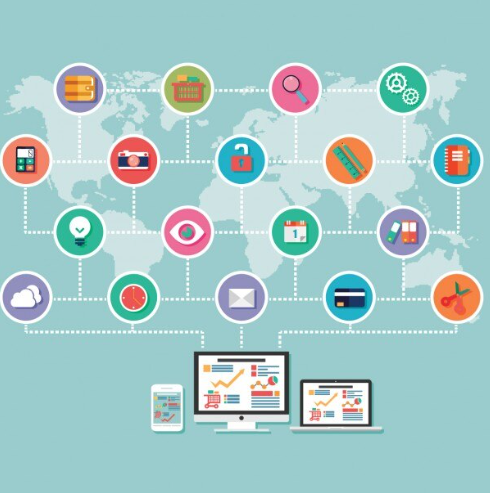
Choosing the Right Marketing Attribution Model
Not every business needs the same approach. A marketing attribution model can be built in several ways, and the right choice depends on your sales cycle length, average deal size, and the number of channels you actively use.
Some common models include:
- Linear attribution, which distributes credit equally across every touchpoint
- Time-decay attribution, which gives more credit to touchpoints closer to conversion
- Position-based attribution, which weights the first and last interactions most heavily
- Data-driven attribution, which uses statistical modeling to assign credit based on actual conversion patterns
Service businesses with longer consideration periods, such as those selling high-ticket consulting or specialized care, often benefit from time-decay or data-driven models. These approaches acknowledge that early research matters, while still recognizing that the final nudge toward conversion carries meaningful weight.
Understanding Revenue Per Channel
Once a reliable attribution model is in place, the next step is calculating revenue per channel. This metric shows exactly how much income each marketing channel generates relative to the investment it receives. It transforms vague impressions like “social media seems to be working” into a concrete, defensible number.
Tracking revenue per channel allows service businesses to answer questions that used to be nearly impossible to answer with confidence:
- Which channel produces the highest return relative to spend?
- Are certain channels profitable only when paired with others?
- Should underperforming channels be scaled back or restructured entirely?
This clarity turns marketing from a cost center into a measurable growth engine, one where every dollar spent can be traced back to a dollar earned.

Performance Analysis Across the Full Funnel
Attribution data becomes genuinely useful only when paired with consistent performance analysis. This means regularly reviewing how each channel contributes at every funnel stage, not just at the final conversion point.
A thorough performance analysis considers:
- How many leads each channel introduces at the top of the funnel
- How effectively each channel nurtures leads toward a decision
- Which channel combinations most frequently appear together in converting journeys
- How performance shifts across seasons, campaigns, or service offerings
Service businesses that run this kind of analysis on a monthly or quarterly basis catch problems early. They notice when a previously strong channel starts underperforming, and they spot rising opportunities before competitors do. Performance analysis, paired with multi-channel attribution, turns marketing reporting into a genuine strategic tool rather than a routine formality.
Smarter Budget Allocation Starts With Better Data
The ultimate goal of attribution and performance analysis is smarter budget allocation. When you understand exactly how revenue flows through each channel, you can confidently move spend toward what actually works and away from what merely appears active.
Smarter budget allocation typically leads to:
- Reduced waste on channels that generate activity but not revenue
- Increased investment in channels that reliably influence conversions, even if they rarely close the final sale
- Better-informed decisions about testing new channels based on how they might complement existing ones
- Improved forecasting, since spend decisions are grounded in historical performance rather than assumption
For service businesses operating with limited marketing budgets, this precision makes an enormous difference. Every reallocated dollar has a documented reason behind it, and every result can be measured against a clear baseline.

Building an Attribution Strategy That Lasts
Implementing multi-channel marketing attribution is not a one-time project. It requires ongoing data collection, regular model recalibration, and a willingness to adjust tracking as new channels emerge or customer behavior shifts. Businesses that treat attribution as a living system, rather than a static report, consistently outperform those that set it up once and forget it.
The businesses that get the most value from attribution also invest in proper tracking infrastructure, clean data hygiene, and cross-team alignment between marketing, sales, and finance. When everyone works from the same trusted numbers, budget conversations become collaborative rather than contentious.
Final Thoughts
Multi-channel marketing attribution gives service businesses something that guesswork never could: clarity. It reveals which channels genuinely influence revenue, supports smarter budget allocation, and replaces assumptions with evidence. Combined with a thoughtful marketing attribution model and consistent performance analysis, it turns marketing spend into a precise, accountable investment rather than a hopeful bet.
If your service business is ready to move beyond guesswork and build a data-driven marketing strategy, 7th Growth specializes in helping service businesses implement multi-channel attribution, optimize revenue per channel, and allocate budgets with confidence. Partnering with a team that understands both the data and the nuances of service-based marketing can be the difference between spending more and spending smarter.
Frequently Asked Questions
1. What is multi-channel marketing attribution?
It is a method of tracking every customer touchpoint across channels and assigning appropriate credit for conversions. Rather than crediting one interaction, it reflects the full journey, giving service businesses a realistic view of what drives revenue and growth.
2. Which marketing attribution model works best for service businesses?
It depends on sales cycle length and channel mix. Longer consideration periods often benefit from time-decay or data-driven models, since these account for research phases while still valuing the final interaction that triggers conversion.
3. How is revenue per channel calculated?
Revenue per channel compares total income generated through a specific channel against the investment made in it. This calculation relies on accurate attribution data to fairly distribute credit across every touchpoint involved in the journey.
4. Why is performance analysis important for attribution?
Performance analysis reveals how channels behave across the entire funnel, not just at conversion. It helps businesses spot declining channels early, identify strong combinations, and make timely adjustments before problems affect overall revenue.
5. How does attribution improve budget allocation?
Attribution data shows which channels genuinely influence revenue, allowing businesses to redirect spend away from low-impact activity and toward proven performers. This results in more efficient, evidence-based budget allocation decisions overall.