Categories
Blog

The ‘7thGrowth Rule’: If Your Marketing Doesn’t Feel Uncomfortable, It’s Not Working

Marketing is supposed to push boundaries. If it doesn’t make you a little uneasy, you’re probably playing it too safe.

At 7thGrowth, we’ve seen businesses stick to the same old strategies—comfortable, familiar, and… ineffective. The truth? Real growth happens outside your comfort zone.

Here’s why discomfort is a sign your marketing is working—and how to embrace it.

Why Comfortable Marketing Fails

Most businesses fall into a routine:

  • Posting the same type of content
  • Relying on the same lead-generation tactics
  • Avoiding bold messaging because it “might not resonate”

But here’s the problem—safe marketing blends in. If your campaigns don’t challenge you, they won’t challenge your audience either.

The Psychology Behind Discomfort

Discomfort means you’re trying something new. It could be:

  • A bold lead-driven content strategy that directly addresses pain points instead of vague industry tips.
  • A high-converting landing page that cuts fluff and focuses on hard-hitting benefits.
  • A paid ad campaign with a polarizing message (because neutrality doesn’t convert).

If your marketing feels risky, that’s a good sign.

3 Ways to Make Your Marketing Uncomfortable (And Effective)
1. Stop Hiding Behind “Professional” Tone

Corporate jargon doesn’t build trust—it builds boredom.

Instead of:

“We offer comprehensive digital marketing solutions to enhance your brand’s online presence.”

Try:

“Most marketing agencies waste your money. We don’t.”

Why it works: It grabs attention, sparks emotion, and filters out uninterested leads.

2. Double Down on What’s Working (Even If It Feels Repetitive)

Found a lead-generation tactic that converts? Good. Now scale it aggressively, even if you worry about overusing it.

Example:

  • If case studies bring in clients, publish more—even if competitors aren’t.
  • If a specific ad angle works, run variations instead of abandoning it too soon.

Uncomfortable truth: Most businesses quit right before a strategy hits its peak.

3. Charge More (Yes, Really)

Undervaluing your services attracts the wrong clients. If your pricing doesn’t make you hesitate, it’s too low.

  • Higher prices = Higher perceived value
  • Better clients = Fewer headaches

Test it. Raise your rates on your next proposal. The right customers will still say yes.

Final Thought: Discomfort = Growth

If your marketing feels easy, you’re not pushing hard enough.

At 7thGrowth, we help businesses break out of stagnant strategies with:

Lead-driven content that converts (not just fills a blog calendar)
High-speed, high-converting websites (because slow sites kill leads)
Google ranking strategies that actually work (not just keyword stuffing)

Ready to make your marketing uncomfortable? Let’s talk.

Categories
Blog

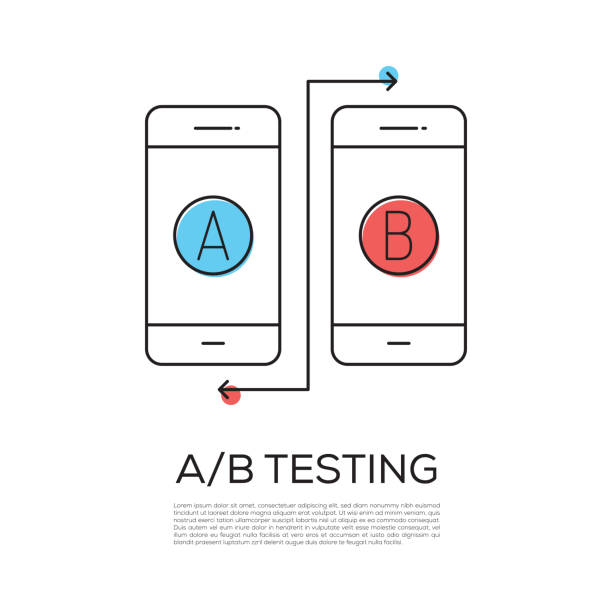
A/B Testing Gone Wrong: When Data Lies (And How to Fix It)

A/B testing is an incredibly valuable tool in digital marketing—if executed correctly. It enables companies to refine landing pages, emails, and ads by comparing two options and determining which one performs better. But what can be done when your A/B test goes awry?

Sometimes, the data lies. Or rather, misinterpretation, flawed setups, or external factors skew the results, leading to poor decisions. If you’ve ever run an A/B test that backfired, you’re not alone. Let’s explore why A/B tests fail and how to fix them.

Common Reasons A/B Tests Go Wrong

1. Testing Too Many Variables at Once

Testing multiple variables (such as headlines, images, and CTA buttons) in one test will make it unfeasible to identify what has resulted in the variation in performance. Test each variable individually at all times to gain clear information.

2. Inadequate Sample Size

If your test is not being run for an adequate amount of time or receiving sufficient traffic, the results won’t be statistically significant. Use tools such as sample size calculators to get the appropriate amount of time and audience size.

3. Omission of Outside Variables

Did your test fall during a significant holiday, Google algorithm change, or technical issue? Outside influences may skew results. Always investigate outliers before reaching conclusions.

4. Misinterpreting Statistical Significance

An insignificant conversion improvement is not necessarily a champion. Verify your results are statistically significant (typically 95% confidence level or higher) before implementing changes that stick.

5. Testing the Wrong Things

A/B testing a small button color variation won’t be important if your landing page messaging is poor. Prioritize high-leverage items such as headlines, value propositions, and lead forms.

How to Rectify a Failed A/B Test

1. Review Your Hypothesis

Was your test driven by a solid hypothesis, or was it an arbitrary change? Begin with user behavior insight (heatmaps, surveys, or session recordings) to inform your tests.

2. Segment Your Data

Rather than considering overall performance, segment data by traffic source, device, or user demographics. A losing variation may win with a particular audience.

3. Run a Follow-Up Test

If results are ambiguous, tighten up your test and repeat it. Occasionally, seasonal trends or user behavior changes necessitate multiple rounds of testing.

4. Combine Qualitative & Quantitative Data

Numbers do not always speak for themselves. Use heatmaps, user feedback, and survey data to determine why a variation did not perform as well.

5. Document & Learn from Failures

Each failed test is an opportunity to learn. Document what went wrong and modify future tests based on that.

Final Thoughts

A/B testing is a science, but it’s not infallible. Misconceived configurations, hasty conclusions, and outside influences can produce deceptive data. By embracing best practices—testing one thing at a time, maintaining statistical significance, and marrying quantitative and qualitative findings—you can sidestep expensive errors and make informed decisions that truly drive your business forward.

At 7th Growth, we assist companies in maximizing their marketing efforts through data-driven insights. If your A/B tests continue to send you around in circles, call us for expert advice.

Categories
Blog

We Ran a TikTok Campaign with $0—Here’s What Happened

At 7th Growth, we’re all about lead-driven content strategies and marketing solutions for business growth. But sometimes, the best way to learn is by experimenting—so we decided to run a TikTok campaign with $0 to see what organic reach could do.

No ads. No influencers. Just pure content.

Here’s what happened—and what we learned.

Why TikTok?

Before diving in, we asked ourselves: Is TikTok even worth it for B2B marketing?

The short answer: Yes.

TikTok isn’t just for dance trends and viral challenges. It’s a powerful platform for brand awareness, lead generation, and engagement—especially if you’re targeting younger entrepreneurs, startups, or digitally savvy businesses.

Since we specialize in fast-loading websites for lead generation and Google ranking services, we wanted to see if TikTok could drive traffic without spending a dime.

Our $0 TikTok Strategy
1. We Focused on Value-Driven Content

Instead of pushing salesy messages, we created content that:

  • Explained lead generation tips in under 30 seconds
  • Showed behind-the-scenes of how we optimize websites
  • Answered common questions about SEO and Google rankings
2. We Used Trends (But Made Them Relevant)

We didn’t force trends—we adapted them. For example:

  • Used a trending sound to explain “Why Your Website Isn’t Converting”
  • Hopped on the “Before & After” trend to show website speed improvements
3. We Engaged Relentlessly

Since we had no ad budget, engagement was our currency. We:

  • Responded to every comment (even the funny ones)
  • Followed relevant business accounts
  • Collaborated with micro-influencers by duetting their videos
The Results After 30 Days
  • 12,000+ views on our top-performing video
  • 350+ new followers (mostly small business owners)
  • 27 website clicks (not massive, but all organic)
  • 3 leads who later booked consultations

Not bad for $0, right?

Key Takeaways for Businesses
1. Organic TikTok Works—If You’re Consistent

You won’t go viral overnight, but consistent, valuable content builds trust.

2. Short-Form Video is a Lead-Gen Tool

Even without direct sales, TikTok warms up audiences for other channels (like email or Google searches).

3. Engagement > Followers

A small, engaged audience is better than 10K passive followers.

Should You Try It?

If you’re a business marketing agency in Canada (or anywhere else), TikTok is worth testing—even without a budget.

It won’t replace Google ranking services or fast-loading websites, but it’s a powerful supplement for brand visibility.

Have you tried TikTok for business? Let us know in the comments!

Categories
Blog

The Dark Side of Influencer Marketing: When Viral Fame Backfires

Influencer marketing has emerged as a force to be reckoned with for brands seeking to increase their visibility, establish credibility, and generate sales. With social media giants such as Instagram, TikTok, and YouTube commanding consumer attention, companies tend to rely on influencers to market their products or services. Yet, while influencer partnerships can reap massive rewards, there is a shadowy side that most brands ignore—one where viral stardom goes awry, destroying reputations and squandering marketing budgets.

At 7thGrowth, a Canadian business marketing firm, we subscribe to the idea of utilizing digital means that generate lasting growth. While influencer marketing may be great, it is also important to recognize its traps in order not to make expensive blunders.

1. Fictitious Followers and Engagement Fraud

One of the most dangerous influencer marketing risks is working with influencers who have bought their way into being popular with fake followers or bought engagement. They might look popular, but since their followers aren’t real, your ads won’t reach actual potential buyers.

How to Avoid It:

  • Utilize analytics tools to review engagement rates (likes, comments, shares compared to followers).
  • Watch for real interaction—actual followers leave deep comments.
  • Collaborate with micro-influencers (10K–100K followers) who tend to have better engagement than mega-influencers.

2. Incongruity with Brand Values

Not all viral influencers are suitable for your brand. Certain influencers might have a shady past, indulge in questionable activities, or espouse conflicting values. If they become embroiled in controversy out of the blue, your brand might find itself in the firing line.

Example: A beauty brand partnering with an influencer who later faces scandal for unethical behavior risks damaging its own reputation by association.

Solution:

  • Research influencers thoroughly—check their past content and public perception.
  • Ensure their audience aligns with your target demographic.
  • Have a crisis management plan in case things go wrong.

3. Overdependence on Short-Term Virality

Influencer marketing can create fast buzz, but virality usually doesn’t last. If you’re doing an entire marketing plan with influencers with no long-term strategy (such as SEO, email marketing, or lead-gen content strategies), you may have a temporary increase in traffic with no lasting growth.

The Fix:

  • Integrate influencer marketing with evergreen strategies such as SEO and content marketing.
  • Use influencer content in advertisements or reuse it in other campaigns.
  • Emphasize creating your own audience instead of merely borrowing an influencer’s.

4. Inauthenticity and Consumer Skepticism

Consumers today are smart—they can recognize forced or artificial promotions from a mile away. If an influencer endorsement comes across as scripted or fake, it can boomerang, making your brand appear untrustworthy.

How to Stay Authentic:

  • Allow influencers to use your product organically before promoting it.
  • Encourage genuine reviews instead of overly produced ads.
  • Select influencers who already adore your niche—their enthusiasm will translate.

5. Legal and Compliance Risks

Most nations, such as Canada, have stringent advertising regulations mandating influencer disclosure of paid collaborations. If an influencer doesn’t comply, your brand may be subject to legal action or penalties from regulatory agencies.

Remain Compliant By:

  • Clearly defining disclosure expectations in agreements.
  • Tracking posts to ensure accurate labeling (e.g., #Ad or #Sponsored).
  • Staying current with FTC and ASC (Advertising Standards Canada) regulations.

The Bottom Line: A Balanced Approach Wins

Influencer marketing isn’t necessarily evil—it’s a highly effective tactic when done properly. However, using only influencers in a non-diversified marketing plan can mean throwing money down the drain and PR catastrophes.

We at 7thGrowth assist companies in executing lead-based content strategies, quick-loading websites to generate leads, and Google ranking services to gain long-term success. When you think about influencer marketing, we suggest using it with other tested strategies to have a balanced approach.

Looking for more sustainable, safer marketing solutions for business expansion? Let’s talk today about a strategy fitted to your brand.

Categories
Blog

I Let AI Control Our Ads for a Week—The Results Were Stunning

The Experiment: Allowing AI to Control Our Ads

Being a digital marketing agency specializing in lead-driven content marketing strategies and business growth solutions, we’re constantly experimenting with new tools to optimize performance. Recently, we set out to test an experiment: allowing AI to control our ad campaigns for a week.

No human touch—only AI-optimized targeting, ad copy, and optimization. What happened? Honestly, they were eye-opening.

Why We Experimented with AI-Driven Ads

We’ve been employing AI tools for Google ranking services, speedy website optimizations, and even content generation. But advertising is different—it involves real-time tweaks, audience feedback, and creative messaging. Could AI actually beat human know-how?

We experimented with a widely popular AI ad management platform (no names to sound sales-y) that made claims:

  • Automated audience targeting
  • AI-created ad copy
  • Real-time bid optimization
  • Performance-based optimizations

The Setup: AI vs. Human Campaigns

In order to make this fair, we set up two campaigns at the same time:

  • Human-Managed Campaign – We did everything, from keyword research to ad placement.
  • AI-Managed Campaign – The AI tool did it all, relying on machine learning for real-time optimizations.

Both campaigns used the same budget to target the same audience—business owners in need of marketing solutions in Canada.

The Results After 7

Here’s where it got exciting.

1. Cost Per Lead (CPL) Reduced by 32%

The AI campaign produced leads more cheaply than our human-run one. It kept tweaking bids constantly, halting underperforming ads and amplifying winners—something we typically do manually.

2. Increased Click-Through Rate (CTR)

The AI-created ad copy carried a 17% bigger CTR. It tried out various variations and held onto the top-performing ones, whereas our crew worked with gut instinct.

3. Improved Audience Targeting

The AI also pointed out new high-intent audiences we hadn’t thought of, such as niche groups looking for quick-loading websites for lead generation.

4. One Major Downside: No Brand Voice

While the AI optimized for performance, some ad copies sounded generic. They lacked the personal touch we typically add when writing messages for our business marketing agency in Canada.

Key Takeaways: Should You Use AI for Ads?

  • ✅ Yes, for Optimization & Efficiency
  • AI is great at real-time bid optimization and audience testing.
  • It can minimize ad spend waste by rapidly pausing underperformers.
  • ⚠️ But Maintain Human Oversight
  • AI has no brand voice and emotional resonance.
  • Certain audiences react more positively to human-created storytelling.

Final Thoughts

This test demonstrated that AI can be a valuable partner in digital advertising, particularly for lead generation and cost savings. But it shouldn’t be used to completely replace human creativity.

At 7thGrowth, we currently employ AI for automated optimizations but still have our team handle strategy and messaging. The optimal outcomes result from marrying AI efficiency with human expertise.

Did you ever test AI for ads? What was your experience? Share with us in the comments!

About 7thGrowth: We’re a Canadian business marketing agency specializing in lead-driven content strategies, fast-loading websites, and Google ranking services. If you’re looking for data-backed marketing solutions, let’s talk.

Categories
Blog

Is SEO Dead? Why Google’s AI Search Changes Everything

The digital marketing world is buzzing with one big question: Is SEO dead? With Google’s latest AI-powered search updates, many marketers and business owners are wondering if traditional SEO still matters.

The short answer? No, SEO isn’t dead—but it’s evolving.

Google’s AI-driven search (like Google SGE – Search Generative Experience) is changing how people find information online. Instead of just showing a list of links, Google now provides AI-generated summaries, direct answers, and interactive results.

So, what does this mean for businesses relying on lead-driven content strategies and Google ranking services? Let’s break it down.

How Google’s AI Search is Changing SEO

1. Less Clicks on Traditional Search Results

With AI-generated answers, users may get the information they need without clicking through to websites. This could reduce traffic for businesses that rely on organic search rankings.

What Should You Do?

  • Focus on long-tail keywords and question-based queries.
  • Optimize for featured snippets (position zero) since AI pulls from these.
  • Create in-depth, expert-level content that AI can reference.
2. Rise of Conversational & Intent-Based Search

People are no longer just typing keywords—they’re asking full questions. Voice search and AI assistants like Google Bard prioritize natural language.

What Should You Do?

  • Structure content in a Q&A format (like FAQs).
  • Use semantic SEO—target related terms, not just exact-match keywords.
  • Optimize for local intent (e.g., “best marketing agency in Canada”).
3. AI Prefers High-Authority Sources

Google’s AI pulls data from trusted, authoritative websites. If your site lacks E-E-A-T (Experience, Expertise, Authority, Trustworthiness), you may lose visibility.

What Should You Do?

  • Build backlinks from reputable sites.
  • Showcase credentials, case studies, and testimonials.
  • Keep content updated and fact-checked.

SEO is Not Dead—It’s Just Different

While AI search changes the game, SEO is still crucial for business growth. Here’s why:

✅ AI Still Needs Sources – Google’s AI pulls from high-ranking pages. If your site is optimized, you’ll be referenced.
✅ Local SEO Matters More – For queries like “business marketing agency in Canada”, Google still shows local results.
✅ User Experience is Key – Fast-loading websites and mobile-friendly designs rank better, even in AI search.

How to Adapt Your SEO Strategy

1. Focus on Quality Over Quantity

AI rewards deep, valuable content. Instead of churning out generic blogs, create comprehensive guides that answer user intent.

2. Optimize for AI & Voice Search
  • Use natural language (how people speak).
  • Target longer, conversational queries.
  • Structure content with clear headings and bullet points for easy AI parsing.
3. Leverage Multimedia

AI prefers diverse content formats—videos, infographics, and podcasts can improve engagement and rankings.

4. Speed & Technical SEO Still Matter

If your site is slow or broken, AI won’t prioritize it. Ensure:

  • Fast-loading websites (under 3 seconds).
  • Clean site structure with proper internal linking.
  • Schema markup to help AI understand your content.

Final Verdict: SEO is Evolving, Not Dying

Google’s AI search is a shift, not an extinction event for SEO. Businesses that adapt—by creating high-quality, user-first content, optimizing for conversational search, and maintaining technical SEO best practices—will still thrive.

At 7th Growth, we help businesses stay ahead with lead-driven content strategies and Google ranking services tailored for the AI era.

Need help future-proofing your SEO? Let’s talk. 🚀

Categories
Blog

Marketing Automation: How to Nurture Leads Without Dissing the Human Touch

With the fast-paced digital age, companies are now relying more and more on marketing automation to automate lead nurturing efforts. Automation reduces time and increases efficiency, but with it comes the danger of losing the human touch—the personal relationship that gives rise to trust and loyalty with possible customers.

For Toronto businesses, Vancouver businesses, Montreal businesses, and all Canadian businesses, finding the correct balance between personalization and automation is the trick. Whether using targeted email marketing for businesses, Vancouver lead generation services, or hiring a content marketing agency in Canada, it’s always about the same: effectively nurture leads while maintaining an authentic touch.

How to Nurture Leads with Automation—While Keeping It Human

1. Segment Your Audience for Personalized Experiences

Automation is most effective when it’s personalized. Rather than sending generic emails, utilize segmentation to provide targeted content. For instance:

  • New subscribers receive a welcome series that introduces your company.
  • Active leads are given case studies or product demos.
  • Cold leads are re-engaged through special deals or quality content.
  • A business-targeted email marketing strategy guarantees your messages resonate with leads, getting them to feel heard and understood, not another contact in your CRM.

2. Leverage Dynamic Content for Increased Personalization

Dynamic content adjusts according to user behavior, location, or previous interactions. For example:

  • A Vancouver lead generation services business can personalize landing pages according to the industry of the visitor.
  • An e-commerce company can suggest products similar to previous purchases.

This degree of personalization maintains the human touch even in an automated system.

3. Balance Automated and Human Touchpoints

While chatbots and autoresponders address initial questions, make sure a real human steps in when necessary. For instance:

  • Automated: A lead downloads an eBook and receives a follow-up email.
  • Human: If they interact further, a sales representative contacts personally.

A Canadian content marketing agency can assist in developing automated workflows that smoothly hand off to human interaction at the best time.

4. Utilize Behavioral Triggers for Real-Time Engagement

  • Automation is best at reacting to user behavior in the moment. Some examples are:
  • Offering a promo code when a user leaves their cart behind.
  • Suggesting blog articles based on history of navigation.
  • Soliciting a follow-up call if a lead views your pricing page more than once.

A Montreal local SEO firm can combine these triggers with local content, which increases relevance.

5. Write Authentic, Conversational Messaging

Automated emails must sound as if written by a human being. Tips:

  • Don’t get too salesy.
  • Write in a friendly, conversational tone.
  • Personalize subject lines and salutations (e.g., “Hi [First Name], we thought you’d like this”).
  • Toronto digital marketing firms tend to highlight A/B testing to determine the most compelling style of messaging.

6. Blend Automation with High-Value Content

Automation is no better than the content it dispenses. Whatever it is:

Blog posts

  • Webinars
  • Case studies
  • Interactive tools

A Canadian content marketing agency can help your automated processes provide value at each phase of the buying journey.

7. Monitor & Refine to Constant Improvement

Monitor open rates, click-through rates, and conversion rates and make adjustments to improve. Using:

  • Google Analytics
  • HubSpot
  • Mailchimp

Help determine what’s working—and where you may need a human touch.

Final Thoughts: Automation + Humanity = Winning Strategy

Marketing automation is a valuable tool, but it must not replace true human connection. By combining targeted email marketing, intelligent segmentation, and personalized content, companies can cultivate leads cost-effectively while staying authentic.

Whether you’re a startup in Vancouver utilizing lead generation services, a Toronto brand benefiting from digital marketing services, or an e-commerce site optimizing with a Montreal local SEO company, the secret to success is equilibrium.

Automate the mundane—personalize the valuable. That’s how you cultivate leads without forfeiting the human element.

Categories
Blog

How to Build a Social Media Content Calendar That Engages

A well-organized social media content calendar is the foundation of any effective digital marketing plan. You’re a Canadian content marketing agency, a Montreal local SEO firm, or a business that uses targeted email marketing — a planned content calendar keeps you consistent, increases engagement, and amplifies your online presence.

In this guide, we will take you through the process of crafting a strong social media content calendar that gets your audience interested and lets you reach your marketing objectives—be it lead generation services in Vancouver or Toronto brand awareness.

Why You Need a Social Media Content Calendar

  • Maintain Consistency – Consistent posting keeps your audience active.
  • Improve Strategy – Schedule content based on important dates, promotions, and trends.
  • Save Time – Create bulk content and schedule ahead.
  • Boost Collaboration – Get aligned with your team, whether you’re an in-house marketer or a digital marketing agency in Toronto.

Step 1: Define Your Social Media Goals

  • Your content must support overall business goals. Typical goals are:
  • Brand Awareness – Raise awareness (ideal for Montreal local SEO firms).
  • Lead Generation – Drive traffic to your website (ideal for lead generation services in Vancouver).
  • Engagement – Increase likes, shares, and comments.
  • Sales & Conversions – Sell products or services (useful for targeted email marketing campaigns).

Step 2: Know Your Audience

  • Understand your audience so that your content speaks to them. Ask:
  • Who are they? (Demographics, interests, pain points)
  • Which platforms do they use? (LinkedIn for B2B, Instagram for visuals, etc.)
  • What kind of content do they consume? (Videos, blogs, infographics)

For instance, a Canadian content marketing agency would spend most time on LinkedIn if their target is professional audiences, whereas a lifestyle brand would spend most time on Instagram.

Step 3: Select Appropriate Social Media Site.

  • Not all platforms are suitable for every company. Think about where your audience is:
  • Facebook – Widely available, excellent for building communities.
  • Instagram – Visual, perfect for lifestyle and retail.
  • LinkedIn – B2B marketing, professional networking.
  • Twitter (X) – Real-time updates, news, and engagement.
  • TikTok – Short-form video for younger demographics.

If you offer digital marketing services in Toronto, LinkedIn and Twitter may be more effective than TikTok.

Step 4: Plan Your Content Mix

  • A balanced content mix keeps your feed fresh. Consider:
  • Educational Content – Tips, how-tos, industry insights.
  • Promotional Content – Product launches, discounts (use sparingly).
  • Engaging Content – Polls, Q&As, user-generated content.
  • Trending Topics – Tap into viral challenges or news.
  • Behind-the-Scenes – Humanize your company.
  • Educational posts (e.g., “5 Ways to Generate High-Quality Leads”) perform well for lead generation services in Vancouver.

Step 5: Develop a Posting Calendar

  • Frequency is less important than consistency. Best practices:
  • Facebook/LinkedIn – 3-5 times per week.
  • Instagram – 4-7 times per week (Stories daily).
  • Twitter – 1-3 times per day.
  • Schedule posts in advance with tools like Hootsuite, Buffer, or Later.

Step 6: Plan Your Content Calendar

You can format your calendar in a basic list instead of a table. This is how:

Sample April Content Plan:

  • April 1 (LinkedIn) – Publish a blog entry on “Effective Lead Generation Strategies for 2024” along with some appropriate hashtags such as #LeadGeneration #Vancouver.
  • April 3 (Instagram) – Publish a carousel containing “5 SEO Tips for Local Businesses” with #SEO #MontrealSEO.
  • April 5 (Twitter) – Tweet a quick tip from your latest email campaign, referencing back to your site.

By doing this, you keep things loose but remain focused.

Step 7: Repurpose Content

  • Get the most out of your efforts by repurposing content:
  • Transform a blog post into several social media morsels.
  • Transform a webinar into bite-sized video clips.
  • Utilize testimonials in stories and posts.

A Canadian content marketing agency can stretch one piece of content across various platforms.

Step 8: Monitor Performance & Optimize

  • Monitor metrics to edit your strategy:
  • Engagement Rate (Likes, comments, shares)
  • Click-Through Rate (CTR) – How many click through to your site?
  • Follower Growth – Are you gaining followers?
  • Analyze tools like Google Analytics, Meta Insights, and Sprout Social to track performance.

Last Tips for Creating an Engaging Social Media Calendar

  • Stay Flexible – Make adjustments for trending topics or surprise events.
  • Batch Content Creation – Set a day aside to create a month’s worth of posts.
  • Interact with Followers – Reply to messages and comments quickly.

Partner with Influencers – Amplify reach through collaborations.

Having an organized social media content calendar is the cornerstone to sparking engagement, whether you’re a Montreal local SEO agency, a Toronto digital marketing agency, or a Vancouver lead generation-focused business. Strategically planning, knowing your audience, and optimizing through data can help you build a content calendar that produces tangible results.

Begin making these steps yours today, and see your social media following thrive!

Categories
Blog

Instagram Reels vs. TikTok Ads: Which Is Better for Your Business?

In today’s fast-paced digital landscape, short-form video content dominates social media marketing. Two major platforms leading this trend are Instagram Reels and TikTok Ads. Both offer unique advantages for businesses looking to boost engagement, generate leads, and increase brand awareness.

But which one is better for your business? The answer depends on your goals, target audience, and marketing strategy. In this blog, we’ll compare Instagram Reels and TikTok Ads to help you decide where to invest your efforts—whether you’re a local SEO company in Montreal, a content marketing agency in Canada, or a business leveraging targeted email marketing and lead generation services in Vancouver.

Understanding Instagram Reels and TikTok Ads

Instagram Reels

Instagram Reels is Meta’s answer to TikTok, allowing users to create and share 15- to 90-second videos. Since Instagram already has a massive user base (over 2 billion monthly active users), Reels benefits from seamless integration with Stories, Feed, and Explore.

Key Features:
✔️ Built into Instagram, making it easy for existing followers to engage
✔️ Strong discoverability through Explore and hashtags
✔️ Ability to add links (for accounts with 10k+ followers)
✔️ Better for businesses with an established Instagram presence

TikTok Ads

TikTok has taken the social media world by storm, with over 1 billion active users. Its algorithm is exceptionally good at pushing content to the right audience, even for new accounts. TikTok Ads provide various formats, including:

  • In-Feed Ads (similar to Instagram Reels ads)
  • Spark Ads (boosting organic posts)
  • TopView Ads (full-screen video ads)
  • Branded Hashtag Challenges (great for viral campaigns)

Key Features:
✔️ Highly engaging, with a younger demographic (Gen Z & Millennials)
✔️ Advanced AI-driven content discovery
✔️ Lower cost per click (CPC) compared to other platforms
✔️ Strong potential for viral reach

Instagram Reels vs. TikTok Ads: Key Comparisons

1. Audience Demographics
  • Instagram Reels: Broad age range (18-45), slightly more female users. Ideal for B2C and B2B brands with visually appealing products.
  • TikTok Ads: Dominated by Gen Z (60% aged 16-24). Best for brands targeting younger audiences with trendy, entertaining content.

Takeaway: If you’re a lead generation services in Vancouver company targeting professionals, Instagram may be better. For youth-centric brands, TikTok wins.

2. Engagement & Reach
  • Instagram Reels: Easier to gain traction if you already have followers. The algorithm favors consistent posting.
  • TikTok Ads: Organic reach is higher for new accounts. Even small businesses can go viral with the right content.

Takeaway: TikTok is better for rapid growth, while Instagram Reels works well for nurturing an existing audience.

3. Advertising Costs
  • Instagram Reels Ads: Generally higher CPM (cost per thousand impressions) due to competition.
  • TikTok Ads: Often cheaper, with higher engagement rates.

Takeaway: If you’re a local SEO company in Montreal on a budget, TikTok Ads may offer better ROI.

4. Content Style & Trends
  • Instagram Reels: Polished, branded content performs well.
  • TikTok Ads: Raw, authentic, and humorous videos get more traction.

Takeaway: TikTok rewards creativity, while Instagram Reels suits businesses with a curated brand image.

5. Integration with Other Marketing Strategies

Both platforms can complement other digital marketing efforts:

  • Use targeted email marketing to retarget Reels/TikTok viewers.
  • Combine with lead generation services in Vancouver to capture leads from video traffic.
  • Optimize with a content marketing agency in Canada for cohesive messaging.

Which Platform Should You Choose?

Pick Instagram Reels If You…

✅ Already have an active Instagram following
✅ Want to integrate ads with Stories and Feed posts
✅ Target a slightly older demographic (25-45)
✅ Prefer a more polished brand aesthetic

Pick TikTok Ads If You…

✅ Want explosive organic reach
✅ Target Gen Z or Millennials
✅ Have a flexible, creative content strategy
✅ Are looking for cost-effective ad options

Final Verdict

There’s no one-size-fits-all answer. The best approach? Test both!

  • If you’re a local SEO company in Montreal, Instagram Reels may help with local brand awareness.
  • If you’re a content marketing agency in Canada, TikTok Ads could showcase your creativity.
  • For lead generation services in Vancouver, both platforms can drive traffic when paired with strong CTAs.

Ultimately, the right platform depends on your audience and goals. Need help optimizing your strategy? Our digital marketing services in Toronto can guide you toward the best results!

Categories
Blog

LinkedIn B2B Marketing: How Canadian Businesses Can Drive Leads

With the current competitive B2B market, Canadian companies must have efficient means of creating high-quality leads. LinkedIn, the global professional network, presents infinite opportunities for B2B marketing. With more than 900 million professionals, including decision-makers, LinkedIn presents a goldmine opportunity for companies to increase their reach.

Whether you’re a Toronto-based digital marketing services agency, a Canadian content marketing firm, or a Montreal-based local SEO business, using LinkedIn can assist in acquiring and converting leads. Within this guide, we’ll dive into effective LinkedIn marketing strategies for Canadian businesses.

Why LinkedIn is a Must for B2B Lead Generation
In contrast to other social media, LinkedIn is built for professional networking, which makes it perfect for B2B lead generation. Here’s why Canadian companies need to focus on LinkedIn:

Let’s get started with practical tips to leverage LinkedIn for lead generation.

Higher Conversion Rates – LinkedIn produces 277% more B2B leads than Facebook and Twitter.

Targeted Audience Reach – With advanced filters, you can reach decision-makers in particular industries, job functions, and locations (such as lead generation services in Vancouver).

Trust & Credibility – An optimized LinkedIn presence establishes expertise in your niche.

1. Optimize Your LinkedIn Company Page & Profiles

  • First, make sure your LinkedIn presence is professional before launching campaigns:
  • Complete Your Company Page – Add a professional logo, cover photo, and a good “About Us” section with keywords such as “digital marketing services in Toronto” or “content marketing agency in Canada.”
  • Optimize Personal Profiles – Sales and marketing staff, in particular, should possess keyword-filled profiles (e.g., “lead generation specialist in Vancouver”).
  • Utilize a Clear CTA – Send visitors to your site or a lead capture page.

2. Leverage LinkedIn Content Marketing

  • Content is king, even on LinkedIn. Share valuable insights to attract potential leads:
  • Publish Long-Form Articles – Write on industry trends, case studies, or how-to’s (e.g., “How Local SEO Businesses in Montreal Can Dominate Search Rankings”).
  • Get Engaged with Visual Content – Infographics, videos, and carousel posts do well.
  • Post Regularly – Target 3-5 posts a week to remain top-of-mind.

3. Use LinkedIn Ads for Targeted Outreach

  • LinkedIn Ads enable exact targeting—ideal for Canadian businesses:
  • Sponsored Content – Promote posts to industry decision-makers in the tech, finance, or healthcare industries.
  • Message Ads (InMail) – Send targeted, personalized messages to leads (excellent for direct email marketing to businesses).
  • Dynamic Ads – Automatically personalized ads with user profiles.

Example: A Vancouver lead generation business might promote to CEOs at mid-sized technology companies a case study on converting leads.

4. Participate in LinkedIn Groups & Networking

  • Active LinkedIn Group participation builds relationships:
  • Join Industry-Specific Groups – Post without being too promotional.
  • Create Your Own Group – Make your brand a leader in the thinking.
  • Connect Strategically – Customize connection invitations with a message based on value.

5. Leverage LinkedIn Sales Navigator for Prospecting

  • For serious business looking to scale leads, Sales Navigator is the game-changer:
  • Advanced Lead & Company Search – Sort by location (Toronto, Montreal, Vancouver), title, and company size.
  • Lead Recommendations – Receive AI-driven recommendations based on your target customer profile.
  • Real-Time Insights – Monitor prospect activity to time your approach flawlessly.

6. Employee Advocacy

Your employees can extend your reach:

  • Encourage Employees to Share Content – One employee post can reach 10x as many people as a company post.
  • Train Teams on LinkedIn Best Practices – Align messaging with your brand.

7. Track & Optimize Your LinkedIn Strategy

  • Measure performance on LinkedIn Analytics and make changes based on that:
  • Track Engagement Rates – Keep a check on likes, comments, and shares.
  • Measure Lead Conversions – UTM parameters come in handy in knowing which of your posts traffic.
  • A/B Test Campaigns – Try new ad creatives and CTAs.

Conclusion: LinkedIn is an absolute necessity for Canadian B2B Growth

For Canadian companies—no matter if you provide digital marketing solutions in Toronto, lead generation services in Vancouver, or local search engine optimization in Montreal—LinkedIn is a formidable weapon for generating B2B leads. Through optimizing profiles, publishing relevant content, conducting targeted ads, and connecting with prospects, you can establish a consistent pipeline of quality leads.

Want to bring your LinkedIn marketing to the next level? Begin executing these tips today and observe your B2B leads increase!